 ultimate-guide
Natural Botox Results: A Complete 2026 Guide
Table of Contents
- What Natural Botox Results Look Like and Why They Matter
- Understanding the Botox Results Timeline: What to Expect Week by Week
- How to Choose a Botox Injector for Subtle, Natural Outcomes
- Botox Aftercare Instructions: Protecting Your Natural Results
- Pre-Treatment Preparation for Natural Botox Results
- Budgeting for Long-Term Maintenance and Realistic Expectations
- How to Communicate With Your Injector for Natural-Looking Results
- Frequently Asked Questions
Last Updated: October 4, 2026
What Natural Botox Results Look Like and Why They Matter
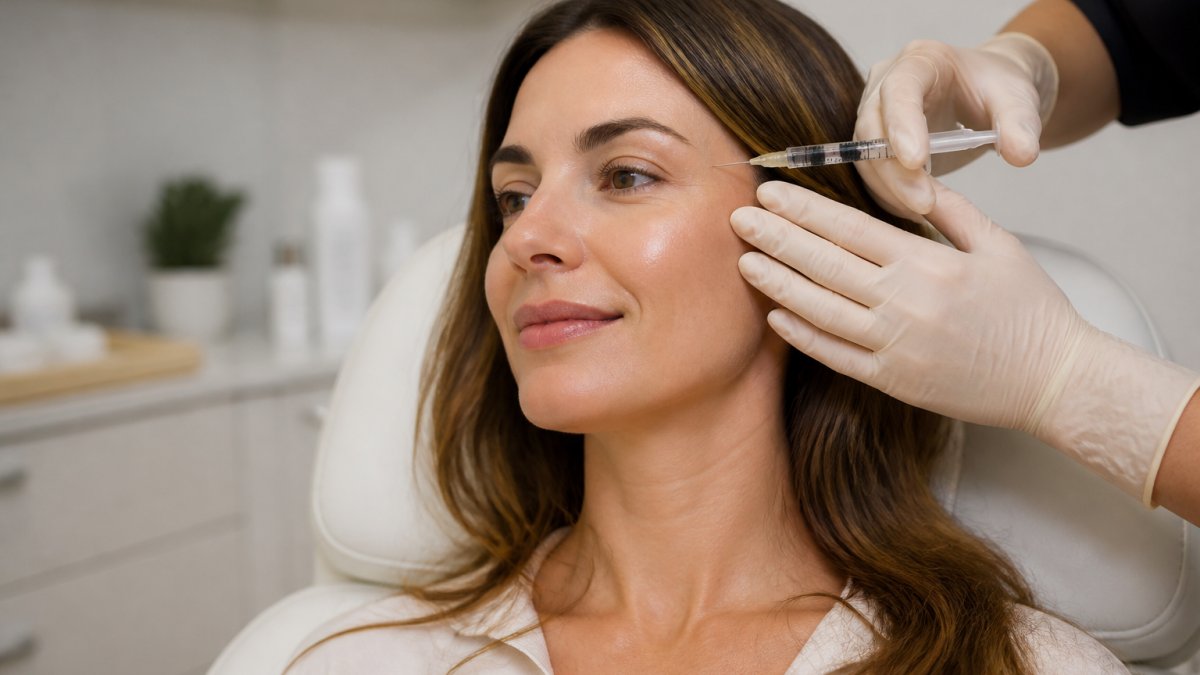
Natural Botox results soften movement rather than erase it, so the face still forms expressions and looks rested instead of frozen.
Natural Botox uses conservative, individualized dosing to relax specific muscles while preserving your expression.
The most common complaint we hear is not "it didn't work" but "it looked obvious."
Three things separate a subtle outcome from an overdone one:
- Dosing calibrated to your muscle strength, not a standard unit count
- Injection technique that respects how your muscles move together
- A treatment plan that accounts for how you personally express emotion
Patients rarely want to look younger in the abstract; they want to look like themselves on a good day.
Understanding the Botox Results Timeline: What to Expect Week by Week
The full results timeline runs roughly 10 to 14 days, with the most visible change between days 3 and 7. Nothing looks final on day one.

Here is how the process typically unfolds:
| Timeframe | What You'll Notice | What It Means |
|---|---|---|
| Days 1-2 | Little to no visible change | The neuromodulator is binding, not yet relaxing muscle |
| Days 3-7 | Movement starts to soften | Peak effect is developing; dynamic wrinkles fade first |
| Days 8-14 | Full effect is visible | This is the point to judge the result honestly |
| Weeks 3-12 | Result holds steady | Maintenance window opens near the end of this range |
| Month 3-4 | Movement gradually returns | Time to schedule a follow-up assessment |
Why the Timeline Works This Way: The Muscle Mechanism
A natural result depends on which muscles were treated, not just how many units were used.
Neuromodulators block acetylcholine release at the junction where a nerve signals a muscle to contract. The muscle is not paralyzed; it stops receiving the "contract" instruction, relaxes over the following days, and the crease it was creating softens.
That mechanism explains three things patients find confusing:
- Why dynamic wrinkles fade first. Lines that only appear when you move (crow's feet, frown lines) are created by muscle contraction, so they respond first. Static lines etched into the skin may persist even after the muscle relaxes, because the crease has become a feature of the skin itself.
- Why the effect is gradual, not instant. The product has to bind to nerve endings before it can block signaling. That binding process is what fills the first 48 hours.
- Why dosing is individual. A muscle with more mass and stronger habitual contraction needs more product to achieve the same relaxation. This is why a standard unit count applied to every face produces inconsistent, and sometimes obvious, results.
The Anatomy of a Natural vs. Frozen Expression
Your face has muscles that pull in opposing directions: the frontalis lifts the brow, the glabellar complex pulls it down and inward, and the orbicularis oculi creates crow's feet.
A natural result depends on treating the right muscles in the right proportion:
- Over-treat the frontalis and the brow cannot lift, producing a heavy, flat forehead and a "surprised" or "frozen" look when you try to raise your eyebrows.
- Over-treat the glabellar complex without accounting for the frontalis and you can get brow ptosis, a droop, because the lifting muscle is now unopposed.
- Under-treat the glabellar complex and the frown lines return before the rest of the face needs a touch-up.
A skilled injector reads your face in motion before marking anything, raise your brows, frown, squint, smile, to identify which muscles do the most work and treat those, leaving enough movement in opposing muscles to keep expressions balanced.
Schedule any follow-up at the two-week mark; adjusting earlier means judging an unfinished result. The two-week visit is where a conservative first pass gets refined, adding a small amount is straightforward, while reversing an overdone result means waiting months for it to fade.
How to Choose a Botox Injector for Subtle, Natural Outcomes
Choosing a Botox injector comes down to three verifiable things: who is licensed to inject, how they assess your anatomy, and whether they will show you their own work.
Ask whether the injector is a physician or a medically supervised nurse practitioner, and confirm who will hold the syringe. A board-certified dermatologist or plastic surgeon is one strong option; a physician-supervised practice with experienced injectors is another.
Questions to Ask During a Consultation
The consultation is your interview. A confident injector welcomes these questions; a defensive or vague response is itself information.
- "Who will actually perform the injection?" If the answer is not the person you are speaking with, ask about that person's training and experience.
- "How do you decide the dose for my face?" You want to hear about assessing muscle strength and movement patterns, not a fixed unit count.
- "What will you do if I want more movement preserved?" A good answer describes starting conservative and adjusting at a follow-up.
Red Flags to Walk Away From
- A provider who quotes a price before assessing your face
- Anyone who cannot explain which muscles they plan to treat and why
- Pressure to add treatments or areas you did not ask about
What a Qualified Injector Will Do
A qualified injector will:
- Assess facial symmetry and how your muscles move before marking anything
- Ask what you want to keep expressing, not just what you want gone
- Explain the dosing approach and why it fits your muscle strength
The FDA regulates neuromodulator products and requires them to be dispensed under specific conditions, which is one reason the FDA information on Botox and similar products is worth reading before you book anywhere. The American Society of Plastic Surgeons patient safety resources is another useful reference for understanding what a properly credentialed injector should be able to explain before treatment.
The Psychological Side of Choosing an Injector
The deeper question is whether the injector understands what you actually want: not to look younger in the abstract, but to look like yourself on a good day.
An injector who treats "obvious" as a warning sign rather than a cue to sell more units is the one you want.
Botox Aftercare Instructions: Protecting Your Natural Results
Botox aftercare instructions are simple, and most rules exist to keep the product where it was placed.
For the first 24 hours:
- Stay upright for at least four hours; do not lie flat or bend forward
- Skip strenuous exercise, hot yoga, saunas, and anything that raises your heart rate sharply
- Do not rub, massage, or press on the treated areas
For the first week:
- Skip alcohol in the first 24 hours, since it can increase bruising
- Pause blood thinning medication only if your prescribing physician approves, never on your own
- Keep the area clean and use gentle skincare
Mild redness, small bumps, and occasional bruising are normal and settle within days. Brow ptosis, eyelid heaviness or droop, is uncommon, usually temporary, and worth reporting to your injector rather than waiting out.
Pre-Treatment Preparation for Natural Botox Results
Preparation starts about a week before your appointment and mainly involves reducing bruising risk and clarifying your goals.
A simple checklist:
- Stop alcohol 24 hours before your appointment
- Pause aspirin, ibuprofen, and fish oil for a week if your physician approves
- Avoid retinoids and exfoliating acids on the treatment area for 2-3 days
That last item is not vanity: with a wedding in five days, you would see a partially developed result and would not yet know whether an adjustment is needed.
Tell your injector about any history of neuromuscular disorders, pregnancy, or breastfeeding, standard contraindications a medically supervised practice screens for during consultation.
Budgeting for Long-Term Maintenance and Realistic Expectations
Maintenance is the most underestimated part of the budget. Neuromodulator results typically last three to four months, meaning most patients who continue treatment are treated three to four times a year.
That reframes the decision: it is an ongoing line item, so plan in annual rather than per-visit terms. Pricing varies by provider, units, and area treated, so ask for a written treatment plan with unit estimates before committing.
A few expectations worth setting now:
- You will still have some movement. That is the point of micro-dosing and preventative Botox approaches.
- Your first result is a baseline, not a verdict. Many injectors adjust at the two-week follow-up.
- Asymmetry can be pre-existing. Faces are not symmetrical to begin with, and treating toward perfect symmetry often looks worse, not better.
How to Communicate With Your Injector for Natural-Looking Results
The highest-use thing you can do for a natural outcome is describe your goal in your own words before anyone picks up a syringe.
Try this script:
"I want my forehead to still move when I raise my eyebrows. I'm bothered by the lines between my brows, but I don't want a heavy feeling in my eyelids. Please start conservative and I'll come back at two weeks if we need more."
Words to use: softer, rested, still expressive, subtle enhancement, conservative dosing. Words to avoid: completely gone, totally frozen, as much as possible.
The American Society of Plastic Surgeons patient safety resources is a useful reference for understanding what a properly credentialed injector should be able to explain before treatment.
Aging well is not about erasing movement; it is about knowing which muscles to soften and which expressions to protect. Our certified physicians and medically supervised nurse practitioners provide personalized recommendations based on a full symptom and anatomy assessment, with locations in York and Camp Hill for convenient follow-up care.
Frequently Asked Questions
How can I ensure my Botox results look natural rather than frozen?
To avoid a frozen look, choose a board-certified injector who understands facial anatomy and uses conservative dosing. Communicate your aesthetic goals clearly, emphasizing subtle enhancement over total muscle paralysis. Start with a lower dose and add more at a follow-up if needed. Your injector should assess your dynamic wrinkles and facial expression to tailor the treatment plan.
What is the typical timeline for seeing full, natural-looking Botox results?
The Botox results timeline varies, but most people see initial smoothing within 3 to 5 days. Full results appear by day 10 to 14. At that point, dynamic wrinkles soften while some natural movement remains. A follow-up visit at two weeks allows your injector to fine-tune dosing if needed. Results typically last 3 to 4 months, depending on your metabolism and maintenance schedule.
What are the essential post-treatment care steps to maintain natural results?
Follow your injector's Botox aftercare instructions: avoid lying down for 4 hours, skip strenuous exercise and alcohol for 24 hours, and do not rub or massage the treated area. These steps prevent the neuromodulator from migrating. Also, avoid blood-thinning medication like aspirin or ibuprofen unless medically necessary.
How do I choose a qualified provider for subtle aesthetic enhancements?
Look for a board-certified dermatologist, plastic surgeon, or a medically supervised nurse practitioner with extensive clinical experience. Ask about their injection technique and training. Request before-and-after photos of actual patients. A reputable injector will discuss realistic expectations, contraindications, and your treatment plan during a thorough consultation.
Does consistent, long-term Botox use change how natural results appear?
Long-term Botox use can prevent static lines from forming and may reduce the need for higher doses over time. Working with an experienced injector who adjusts your treatment plan based on facial symmetry and muscle relaxation helps preserve a refreshed appearance.
What vitamin makes Botox last longer?
There is no strong clinical evidence that a specific vitamin extends Botox results. However, zinc has been suggested in some studies to support the neuromodulator's effect. A balanced diet and avoiding excessive sun exposure may help overall skin health. Always consult your injector before adding supplements, as some can interact with medications or affect blood thinning.