 blog
blog
Best Personalized Health and Wellness Solutions for Clinical Skin Rejuvenation
Table of Contents
- Why Clinical Skin Rejuvenation Starts With Whole-Body Health
- Non-Surgical Aesthetic Treatment Options for Skin Revitalization
- The Benefits of Vitamin IV Therapy for Skin Hydration and Repair
- How Bioidentical Hormone Therapy and Skin Aging Are Connected
- Building a Personalized Treatment Plan With Medical-Grade Skincare
- Recovery Timelines and Long-Term Maintenance After Clinical Skin Rejuvenation
- Conclusion: Finding the Right Personalized Wellness Partner
- Frequently Asked Questions
Last Updated: October 9, 2026
Why Clinical Skin Rejuvenation Starts With Whole-Body Health
Clinical skin rejuvenation is the use of medically supervised treatments and therapies to improve skin texture, tone, and firmness while supporting the skin's own repair processes. It works best when it addresses the whole body, not just the surface.
That distinction matters more than most people realize. Skin is an organ, and it reflects what's happening internally: hydration, hormone balance, nutrient status, and inflammation all show up in the mirror. At Your Best Life MD, we built our approach around that reality. A topical cream can soften fine lines, but it cannot correct a nutrient deficiency or a hormonal shift driving skin laxity.
This guide covers the main non-surgical options, how personalized plans come together, and what recovery and maintenance actually look like. Below, we break down each category so you can walk into a consultation knowing what to ask.
The core argument here is simple: the best personalized health and wellness solutions for clinical skin rejuvenation treat the patient, not just the complexion.
Non-Surgical Aesthetic Treatment Options for Skin Revitalization
Non-surgical aesthetic treatment options range from microneedling and laser resurfacing to chemical peels, all designed to stimulate collagen and improve skin texture without surgery. Most require minimal downtime and build results over weeks.
These are the workhorses of modern aesthetic procedures. They differ in how deep they reach and how much recovery they demand.
| Treatment | Primary Target | Typical Downtime | Results Build Over |
|---|---|---|---|
| Microneedling | Texture, scars, fine lines | 1-3 days of redness | 4-8 weeks |
| Laser resurfacing | Pigmentation, wrinkles | 3-7 days | 6-12 weeks |
| Chemical peels | Tone, dullness, mild scarring | 2-5 days of peeling | 2-6 weeks |
Microneedling and Collagen Synthesis
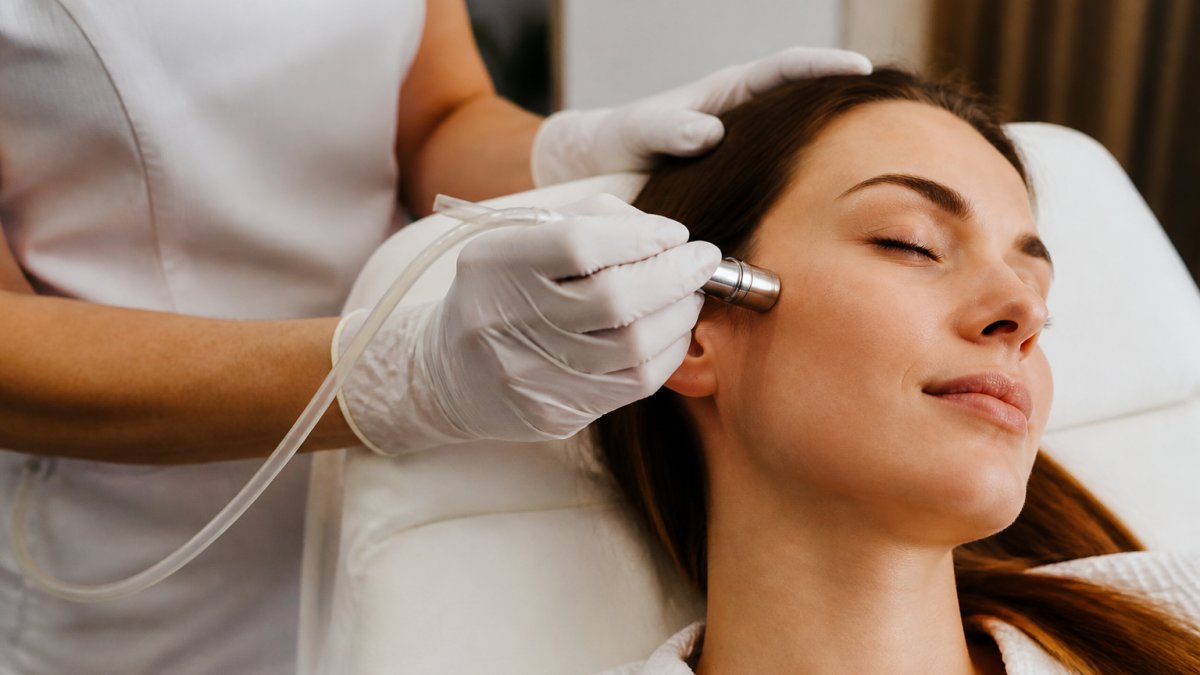
Microneedling uses fine needles to create controlled micro-injuries in the skin, triggering collagen synthesis and cell turnover. A common mistake is expecting one session to transform skin; most plans use a series spaced several weeks apart because collagen remodeling is gradual.
The appeal is that it works with your own biology rather than adding volume or freezing muscle. For fine lines and uneven texture, it's often the first recommendation.
Laser Resurfacing and Chemical Peels
Laser resurfacing delivers concentrated light to remove damaged surface layers and prompt new collagen growth, which makes it effective for pigmentation and deeper wrinkles. Chemical peels use acid solutions to exfoliate at controlled depths, improving tone and dullness with less intensity.
The trade-off is straightforward: stronger results usually mean more visible recovery. Your skin type, history, and schedule should drive the choice, not the marketing.
The Benefits of Vitamin IV Therapy for Skin Hydration and Repair
The benefits of vitamin IV therapy for skin come down to delivery. IV infusions send vitamins and hydration directly into the bloodstream, bypassing digestion entirely. That matters for skin barrier function, since hydration and micronutrients support repair from the inside.
A skeptic's fair question: does this beat a good multivitamin? Oral supplements depend on absorption, which varies widely between people. IV delivery removes that variable.
Where it fits: recovery support after a procedure, hydration during busy or stressful stretches, and nutritional gaps that diet alone isn't covering. It is a supporting player, not a replacement for a clinical treatment plan.
How Bioidentical Hormone Therapy and Skin Aging Are Connected
The link between bioidentical hormone therapy and skin aging runs through collagen and elasticity. Estrogen supports collagen production and skin thickness, so when levels decline during perimenopause and menopause, skin often thins, dries, and loses firmness. Testosterone shifts in men can affect skin and energy in similar ways.
This is where surface treatments hit their ceiling. You can resurface the top layer repeatedly, but if the hormonal environment is working against collagen, results fade faster.
A proper evaluation starts with symptoms and lab work, not a one-size-fits-all prescription. North American Menopause Society guidance on hormone therapy outlines how treatment decisions should be individualized. If you're skeptical, that's reasonable; ask how your provider monitors progress and adjusts dosing.
Building a Personalized Treatment Plan With Medical-Grade Skincare
A personalized treatment plan combines in-office procedures with medical-grade skincare and, where relevant, internal wellness support. The plan should follow a clinical assessment of your skin, history, and goals.

Medical-grade skincare matters because concentrations and delivery systems differ from drugstore products. Topical retinoids, for example, remain a well-supported option for cell turnover and fine lines when introduced gradually (the American Academy of Dermatology). American Academy of Dermatology advice on retinoid use recommends starting slowly to limit irritation.
What most guides miss is sequencing. Doing everything at once overwhelms the skin barrier. A good plan staggers treatments: build tolerance first, then layer in procedures.
Recovery Timelines and Long-Term Maintenance After Clinical Skin Rejuvenation
Recovery timelines depend on treatment intensity, but most non-surgical options involve a few days of redness or peeling followed by gradual improvement. Long-term results depend on maintenance, not a single session. This is the part most treatment guides skip, and it is the part that determines whether your results hold.
What to Expect, by Treatment
| Treatment | Day 1-3 | Day 4-7 | Week 2-8 |
|---|---|---|---|
| Microneedling | Redness, mild tightness, like a sunburn | Redness fading, possible light flaking | Collagen remodeling; texture improves gradually |
| Fractional laser | Swelling, redness, possible pinpoint bleeding | Peeling or bronzing of treated areas | New skin settles; pigment and wrinkles improve |
| Chemical peel | Tightness, possible darkening | Visible peeling, sensitivity | Tone evens out; results build with each peel |
| Radiofrequency | Little to no visible reaction | None | Gradual firming over 8-12 weeks |
| Dermaplaning | Mild pinkness | None | Immediate smoothness; no collagen change |
A realistic general sequence looks like this:
- Days 1-3: redness, tightness, or mild swelling
- Days 4-7: peeling or flaking for resurfacing treatments
- Weeks 2-8: collagen remodeling and visible improvement
- Ongoing: daily sun protection and a consistent home routine
Aftercare That Protects Your Results
The first 72 hours matter most. Gentle cleansing, a bland moisturizer, and broad-spectrum sunscreen are the basics. Most practitioners advise avoiding retinoids, exfoliating acids, and scrubs until the skin has stopped peeling and is no longer tender, often about a week, longer after deeper resurfacing. Skip strenuous exercise, saunas, and hot showers for the first day or two after resurfacing to limit flushing and swelling.
Do not pick at peeling skin. Letting it shed on its own reduces the risk of post-inflammatory hyperpigmentation, which is a particular concern for deeper skin tones. If you develop blistering, spreading redness, or pain that worsens instead of easing, contact your provider rather than waiting it out.
Maintenance Cadence
Maintenance varies by treatment. Collagen-stimulating procedures such as microneedling and radiofrequency are often repeated every few months to build and then hold results, while lasers and medium-depth peels are typically spaced further apart and used as periodic resets rather than routine appointments. Between visits, medical-grade skincare, a retinoid, an antioxidant, and sunscreen, does the daily work.
A practical pattern many patients follow: a series of collagen-stimulating sessions to build results, then a maintenance session every few months, with a resurfacing treatment once or twice a year as needed. The exact cadence should be set by your provider based on your skin and how it responded to the initial series.
The Long View
Skin rejuvenation is cumulative. One session rarely delivers a permanent change, and results fade if maintenance stops. The patients who hold their results longest are the ones who treat recovery as part of the plan, protect their skin daily, and keep a consistent home routine between appointments. Skipping sun protection remains the single most common way people erase their progress.
Conclusion: Finding the Right Personalized Wellness Partner
The hardest part of clinical skin rejuvenation isn't choosing a treatment. It's finding a provider who looks at your hormones, nutrition, and skin together instead of selling you a menu of procedures.
Your Best Life MD offers personalized health and wellness solutions built around exactly that. Our certified physicians and medically supervised nurse practitioners assess your symptoms before recommending anything, whether that's bioidentical hormone therapy, vitamin IV infusions, or aesthetic treatments. With locations in York and Camp Hill, we tailor each plan to your goals and follow your progress over time.
Get started with Your Best Life MD and build a plan that treats your whole health, not just your skin.
Frequently Asked Questions
What is the most effective skin rejuvenation treatment?
There is no single best treatment for everyone. Clinical skin rejuvenation works best when it is personalized to your skin type, concerns, and goals. A combination of approaches, such as microneedling for collagen synthesis, laser resurfacing for pigmentation, and medical-grade skincare for daily support, often produces the most noticeable results. Your provider can assess your skin and recommend a plan that fits your needs.
How does internal health impact skin rejuvenation results?
Internal health plays a major role in how your skin responds to treatment. Hydration, hormone balance, nutrient levels, and overall wellness affect collagen production, cell turnover, and the skin barrier. Personalized wellness solutions like vitamin IV therapy and bioidentical hormone therapy can support dermal health from within, helping you get more from non-surgical aesthetic procedures and maintain long-term results.
Are medical-grade skin treatments safe for all skin types?
Most medical-grade skin treatments are safe for a wide range of skin types when performed by qualified professionals after a clinical assessment. Your provider will review your skin history, sensitivities, and goals to choose the right approach. Some treatments may need adjustment for certain skin tones or conditions, so a personalized consultation is essential before starting any clinical skin rejuvenation plan.
How do I find a personalized wellness plan for anti-aging?
Start by meeting with a provider who offers a comprehensive assessment, including skin evaluation and a review of your overall health. A personalized plan may combine non-surgical aesthetic treatment options, medical-grade skincare, and internal wellness support such as IV therapy or hormone therapy. Ask about recovery timelines and maintenance so you know what to expect from your clinical skin rejuvenation plan.